VW ID.3 Hatchback, cena od 860 700 Kč

4.6 (4 Hodnocení)
ohodnotit

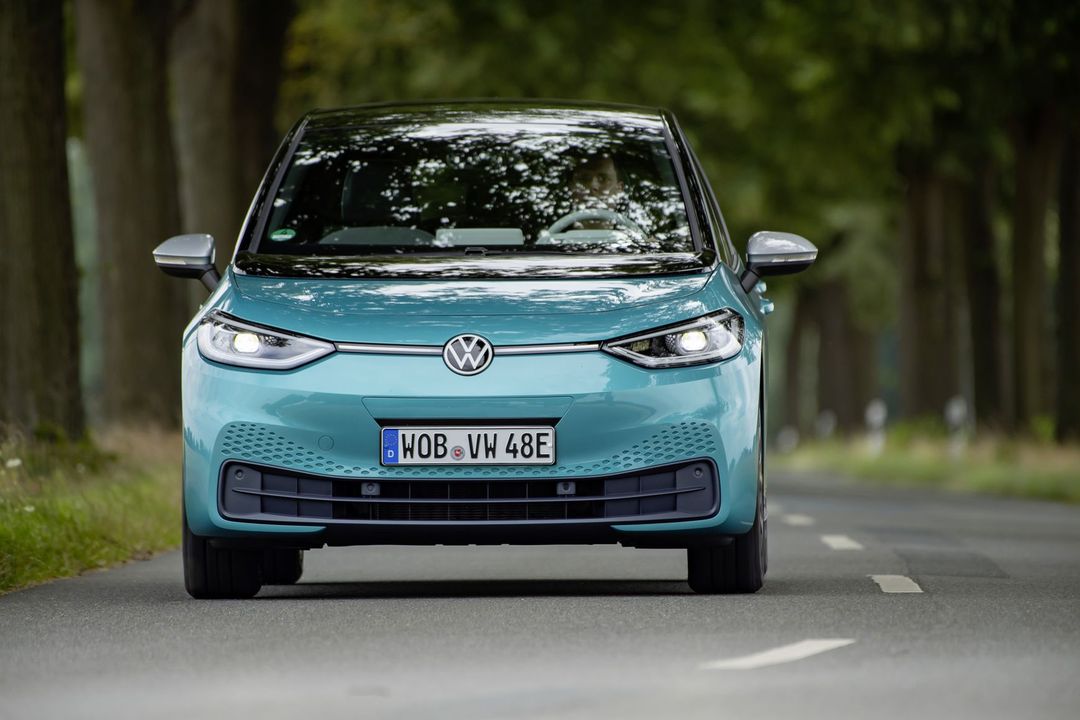
The VW ID.3 is a crisply styled electric hatch that masks serious practicality behind a friendly, modern face, making city runs and longer trips pleasantly fuss free. For buyers seeking a sensible, well-equipped EV that doesn't take itself too seriously, the ID.3 strikes a neat balance of comfort, tech and everyday usability with a cheeky smile.

Hodnocení a komunita

Všechna skutečná hodnocení a zkušenosti s VW ID.3 na jednom místě.

Do komunity

Technické údaje, varianty a ceny

Přehled všech technických údajů, rozměrů a detailů výbavy tohoto modelu.

K technickým údajům

Alternativní modely aut

Objevte podobné modely a možné alternativy k tomuto vozidlu.

K alternativám

od 860 700 Kč
ID.3

VW ID.3

  • Typ motoru : Elektro
  • Převodovka : Automatická
  • Typ pohonu : Pohon zadních kol
  • Výkon HP : 170 - 231 HP
  • Spotřeba kWh/100 km : 13,9 - 14,4 kWh/100km
  • Elektrický dojezd : 410 - 629 km

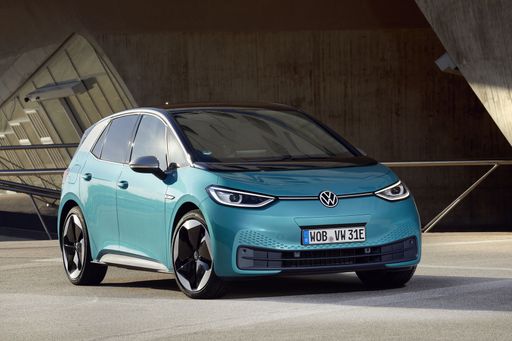
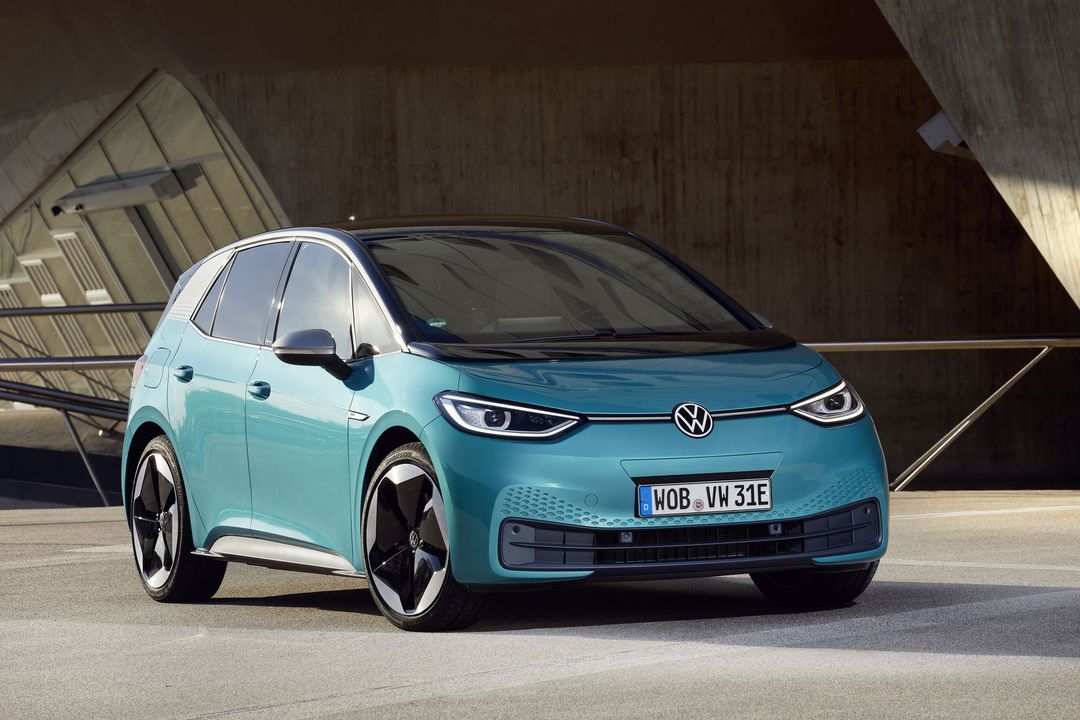
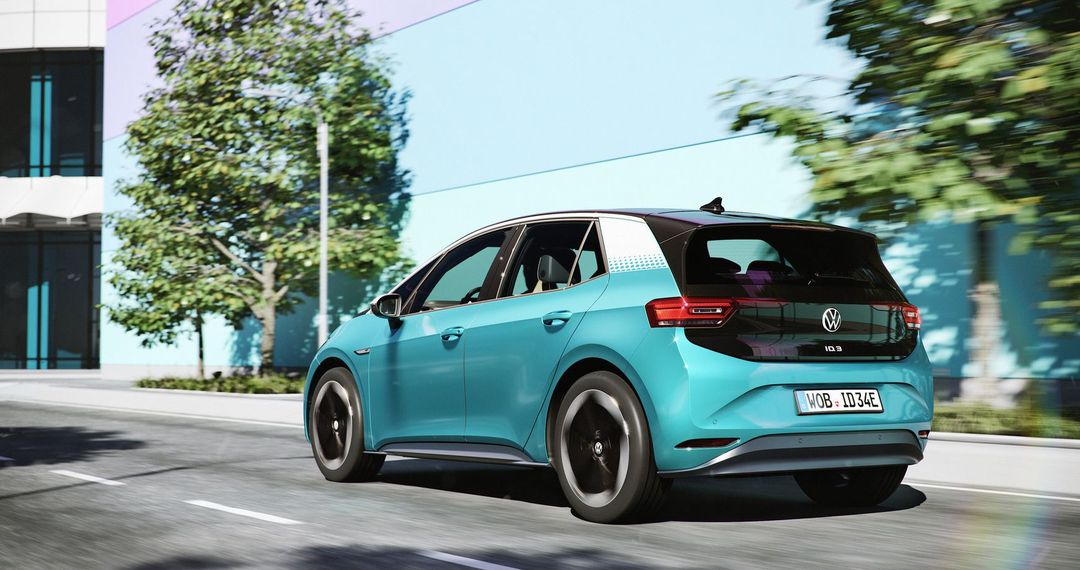
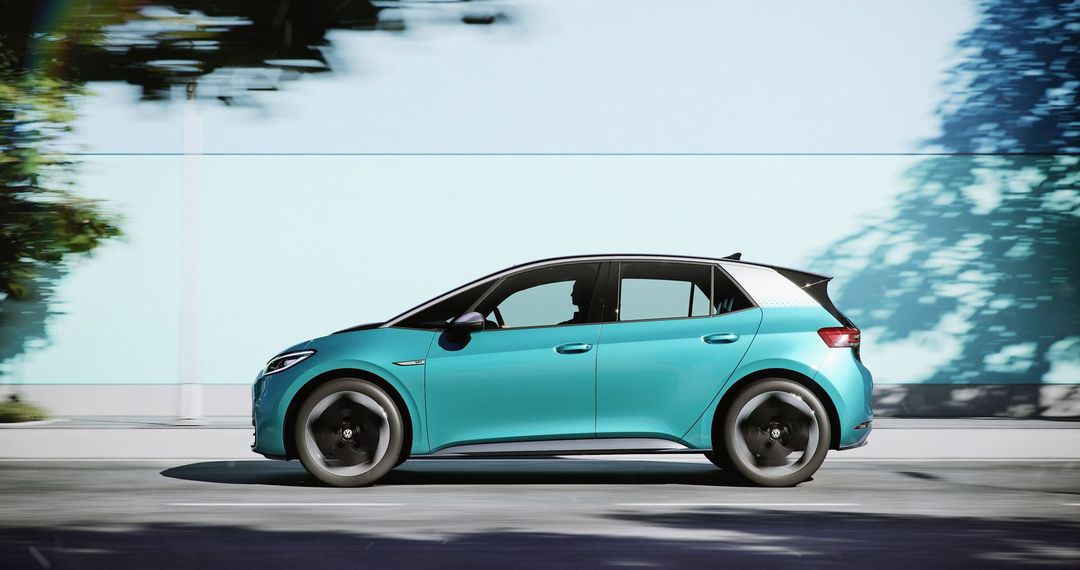
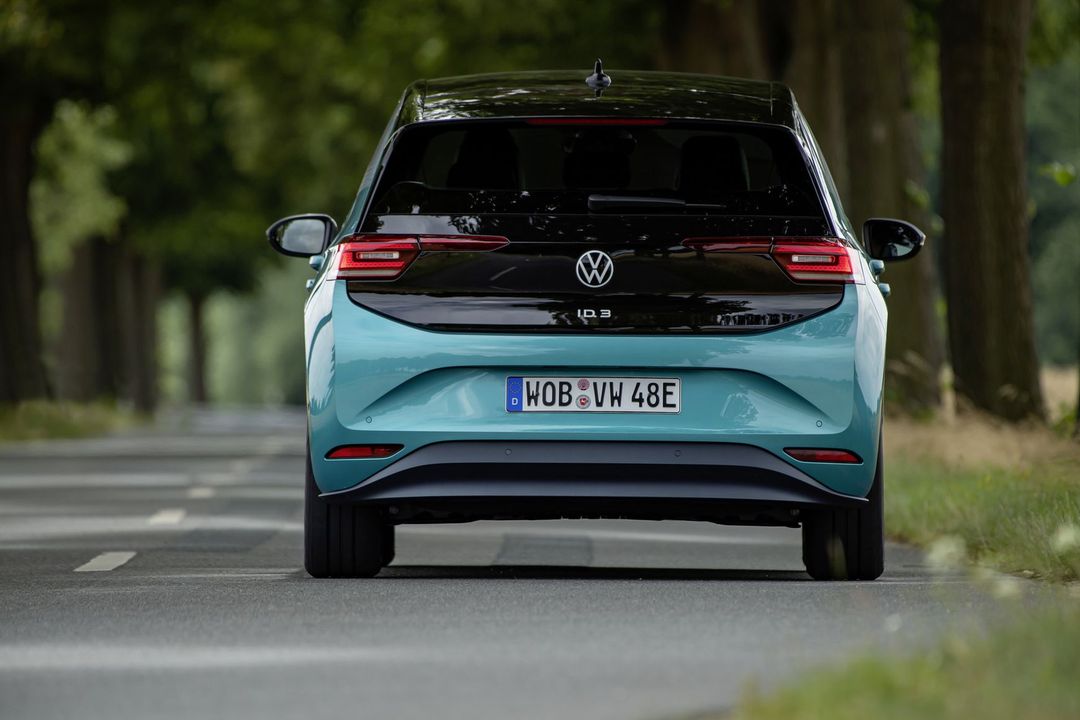
Design: Understated hatchback with modern poise

The ID.3 wears VW’s restrained design language well, appearing familiar but cleaner and more aerodynamic than earlier Golfs, with a compact 4,264 mm length that helps in the city while still looking purposeful on the motorway. The silhouette is low-slung for a small electric hatch, and details such as light treatments and wheel designs give higher trims a sportier presence without shouting. Practical touches—short overhangs and upright glass—mean visibility is good and it doesn’t feel visually oversized in tight parking spaces. Overall, the look aims for tasteful rather than flashy, which will appeal to buyers who want an electric car that won’t age badly.

Cabin: Minimalist, well made, with a few compromises

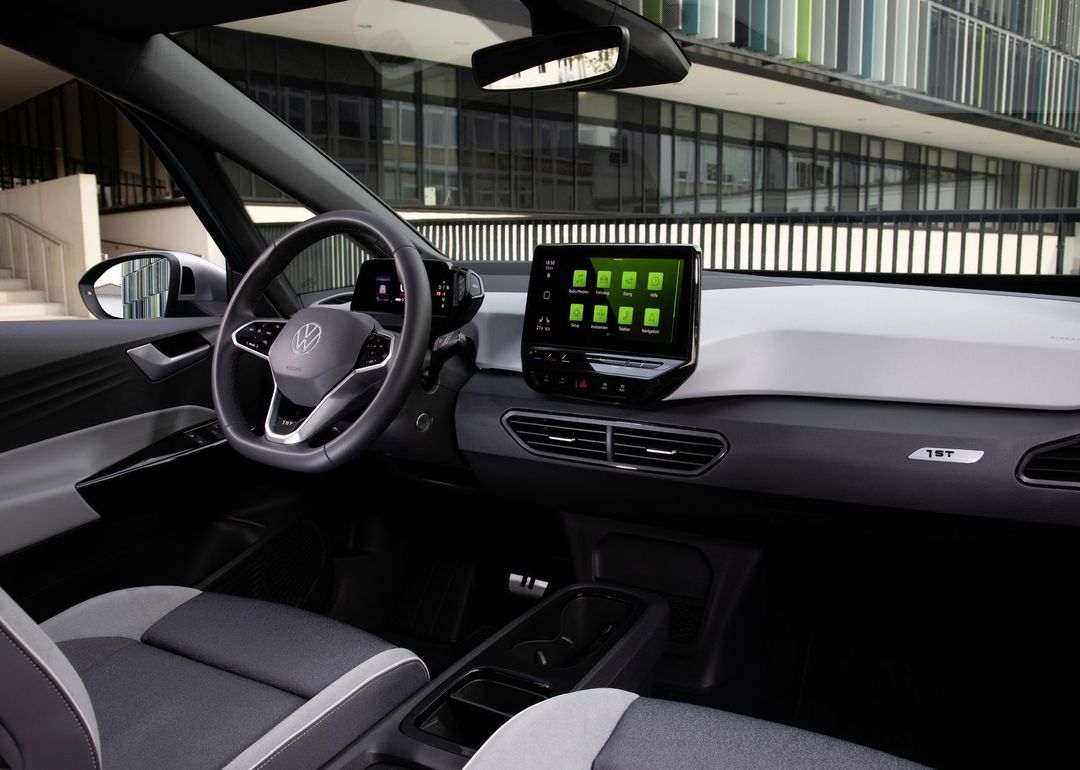
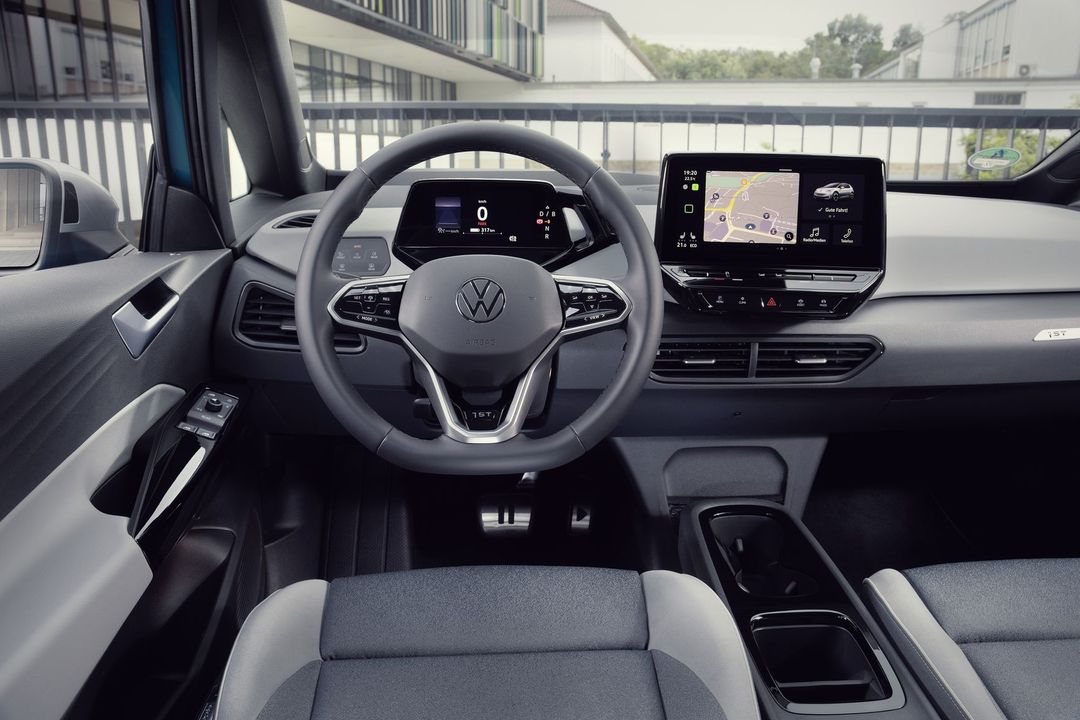
Materials and build quality are a clear step up from budget crossovers, with soft-touch surfaces where they matter and clean, simple lines that emphasize space; the dashboard’s minimalist layout keeps things tidy but hands-on controls are sparse. The central touchscreen handles most functions and the optional digital driver display is sharp, though some menus can be fiddly compared with traditional switches — expect a learning curve. Front seats are comfortable for long commutes and the driving position is upright enough for visibility without feeling truck-like. Small storage cubbies and a sensible centre console make daily usability straightforward, but tactile button lovers may miss physical climate controls in lower trims.

Space & Everyday Practicality: Compact footprint, useful interior

The ID.3 seats five and combines a compact exterior with reasonably clever packaging, delivering a 385 L boot that expands to 1,267 L with the rear seats down — enough for a couple of suitcases or weekly shopping with room to spare. Rear headroom and legroom are generous for the class thanks to the flat floor and short front overhangs, though three adults across the back is best for short trips. Curb weight sits in the 1.8–2.0 tonne region depending on battery, which is typical for modern EVs and means payload figures around 437–473 kg; that’s fine for family life but worth remembering if regularly carrying heavy loads. The compact footprint and agile turning make urban manoeuvres easy while still accommodating everyday family duties.

Driving & Handling: Calm, confident and neatly poised

Rear-wheel-drive layout gives the ID.3 a balanced feel, with predictable handling and a composed ride that soaks up bumps without unsettling body control; steering is light but precise enough for confident lane changes. Power ranges from about 170 hp up to 326 hp in the brisker variants, with 0–100 km/h times spanning roughly 8.2 to 5.7 seconds, so buyers can choose between efficient cruising and genuine performance. The weight from the battery is noticeable on tight switchbacks, but that mass also stabilises the car and helps deliver a planted motorway feel. For everyday drivers the standard setups prioritise comfort, while the sportier GTX trims sharpen responses for those who want a livelier drive.

Efficiency & Range: Practical for daily life, pick the right battery

Consumption figures sit in the mid-teens at around 14.5–15.8 kWh/100 km in WLTP data, so real-world economy will often translate into roughly 300–450 km of usable range depending on battery size and driving style. Batteries cover roughly 52–79 kWh across the line-up and WLTP ranges span from about 380 km up to roughly 605 km, so choosing a larger pack reduces charging stops on longer trips but raises weight and cost. Expect motorway speeds and cold weather to raise consumption noticeably, while urban commutes and mild climates play to the ID.3’s strengths. Rapid DC charging capability makes longer journeys manageable, allowing reasonable top-ups during breaks to keep onward travel stress-free.

Assistance & Infotainment: Modern aids with growing refinement

The infotainment is centered on a clear touchscreen with good graphics and growing feature support such as voice control, smartphone integration and navigation tailored for EV use, while over-the-air updates keep software improving after purchase. Driver assistance includes adaptive cruise and lane-keeping aids that work competently for most highway tasks, though systems can feel a touch conservative compared with some rivals. Safety equipment and assistance packages are comprehensive enough for family buyers looking for peace of mind on long runs. The overall tech package is sensible rather than gimmicky, with an emphasis on practical, usable features.

Who should buy it: Sensible EV buyers and small families

The ID.3 suits buyers seeking a mainstream electric hatch that balances everyday practicality, comfort and modern tech without extreme styling or complexity — ideal for commuters, small families and those moving from a compact combustion car. Multiple trims are offered, spanning efficient entry-level options through to high-performance GTX choices, so buyers can prioritise range, cost or sportiness according to needs. Those wanting the smoothest daily driving experience and low running costs will find the midsize battery and 204 hp-ish variants attractive, while drivers craving pace can step up to the more powerful models. Overall, the ID.3 is a pragmatic, well-rounded choice for anyone serious about switching to electric without sacrificing everyday usability.

Náklady a spotřeba

Cena
860 700 - 1 205 000 Kč
Spotřeba l/100 km
-
Spotřeba kWh/100 km
13,9 - 14,4 kWh/100km
Elektrický dojezd
410 - 629 km
Kapacita baterie
-
co2
0 g/km
Objem nádrže
-

Rozměry a karoserie

Karoserie
Hatchback
Počet sedadel
5
Dveře
-
Pohotovostní hmotnost
1 885 - 1 966 kg
Objem kufru
383 L
Délka
-
Šířka
1 809 mm
Výška
-
Maximální objem kufru
-
Užitečné zatížení
422 - 464 kg

Motor a výkon

Typ motoru
Elektro
Převodovka
Automatická
Detail převodovky
Redukční převodovka
Typ pohonu
Pohon zadních kol
Výkon HP
170 - 231 HP
Zrychlení 0–100 km/h
7,1 - 8 s
Max. rychlost
-
Točivý moment
350 Nm
Počet válců
-
Výkon kW
125 - 170 kW
Objem motoru
-

Obecné

Modelový rok
2026
Třída účinnosti CO2
A
Značka
VW
Jaké možnosti pohonu nabízí VW ID.3?

VW ID.3 se nabízí s pohonem Pohon zadních kol.

DriveDuel využívá analýzu dat a umělou inteligenci k vyhodnocování údajů o vozidlech a tvorbě obsahu. Obsah je pravidelně kontrolován a vylepšován. Zobrazené ceny jsou odhady založené na německých ceníkových cenách upravených podle DPH dané země. Specifické registrační daně jednotlivých zemí nejsou zahrnuty. Tyto informace nejsou právně závazné.