Citroen Jumper Dodávka, cena od 1 627 000 Kč

The Citroen Jumper is a no-nonsense workhorse that swaps flash for sheer practicality, with a spacious load area and composed, user-friendly driving manners that make busy workdays easier. It won’t win any beauty contests, but its sensible packaging, comfortable cab and wallet-friendly running make it a compelling choice for tradespeople and small businesses.

Hodnocení a komunita

Všechna skutečná hodnocení a zkušenosti s Citroen Jumper na jednom místě.

Do komunity

Technické údaje, varianty a ceny

Přehled všech technických údajů, rozměrů a detailů výbavy tohoto modelu.

K technickým údajům

Alternativní modely aut

Objevte podobné modely a možné alternativy k tomuto vozidlu.

K alternativám

od 1 627 000 Kč
Jumper

Citroen Jumper

  • Typ motoru : Elektro
  • Převodovka : Automatická
  • Typ pohonu : Pohon předních kol
  • Výkon HP : 279 HP
  • Spotřeba kWh/100 km : 26,2 kWh/100km
  • Elektrický dojezd : 424 km

Design & Presence

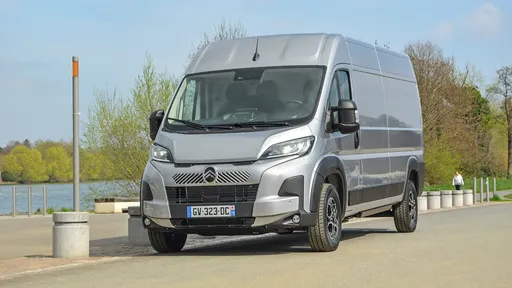
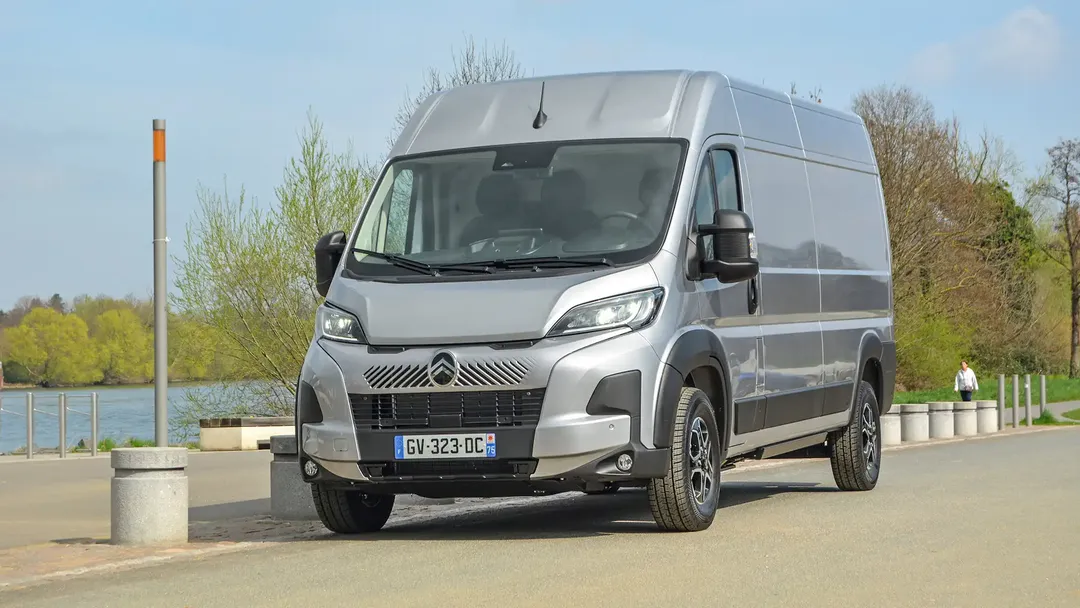
The Citroën Jumper cuts the familiar commercial silhouette with a softened front end and high-roof proportions that feel more van than appliance, yet still very much built to work. The face leans on bold, horizontal lines and hoisted headlights to give road presence that belies its practical purpose, while tall glazing and optional full-glass panels change the personality from anonymous fleet truck to visible city vehicle. Dimensions are honest — lengths up to around 6.36 m and heights reaching into the 2.85 m area — so it looks purposeful on the road and unavoidable in a narrow loading bay. The styling is functional rather than flashy, aimed squarely at businesses that need presence without pretense.

Interior & Usability

The cabin is purpose-driven with three seats up front and hard-wearing plastics where they make sense, plus practical storage nooks for paperwork, tools and coffee cups. Ergonomics are adjusted for workdays: a high seating position, good visibility over the bonnet and controls within easy reach make stop-start jobs less tiring. Some trim levels lift the interior feel with better materials and larger screens, but the real win is functionality — sliding doors, wide-opening rear doors and flat load floors simplify daily tasks. Comfort is acceptable for long runs, although heavy loads and long miles expose the trade-off between utility and luxury.

Space & Everyday Practicality

Space is the Jumper’s core argument: cargo volumes range dramatically depending on configuration, topping out in the region of 13,000–17,000 litres and lengths up to nearly 6.36 m, while payloads vary from about 560 kg to roughly 1,385 kg depending on spec. That means the Jumper can be a compact parcel runner one day and a full-length trades van the next, but choices on roof height and length change what fits through doors and into lifts. The high and super-high roof variants make standing and stacking straightforward, and sliding side doors plus wide rear apertures keep loading efficient on busy sites. For businesses that need flexible volume more than car-like finesse, the Jumper’s packaging delivers.

Driving & Handling

The electric e-Jumper drives with the predictable traits of a front-wheel-drive electric van: 279 hp (205 kW) and 410 Nm of torque give confident shove from standstill, useful when merging with trailers or when carrying heavy loads. With curb weights ranging around 2,865–2,940 kg the van is not spritely, but acceleration in town is brisk and motorway progress is relaxed up to a typical governed top speed of 130 km/h (some variants limited to 90 km/h for regulatory reasons). Suspension tuning prioritises load-bearing and ride comfort over agility, so handling is stable rather than sporty and tight urban manoeuvres benefit from a sensible turning circle and good visibility. Steering is light and predictable, fitting the van’s commercial remit rather than a driver's playground.

Efficiency, Consumption & Range

The e-Jumper pairs a 97.8 kWh battery with a quoted WLTP consumption of 26.2 kWh/100 km and an official range of about 424 km, which reads very well on paper for a vehicle of this size. In everyday use these figures translate to strong urban or regional range for last-mile deliveries, although real-world numbers will drop under heavy payloads, roof racks or sustained motorway speeds. Charging capability depends on spec, but the large battery means fewer stops between shifts even if charging times are longer than smaller vans; the net effect is lower running cost per kilometre versus diesel for city-centric usage. For fleet managers, the balance is clear: higher up-front cost versus predictable daily energy bills and quieter operation.

Assistance & Infotainment

The Jumper offers modern convenience and safety aids geared to commercial users, with options typically covering parking sensors, reversing cameras, adaptive cruise and lane-keeping supports to reduce fatigue on long routes. Infotainment is functional, with touchscreens and smartphone mirroring common on higher trims, and large, easy-to-use buttons and switches on work-oriented layouts. The software and connectivity aim to keep drivers on the job — navigation tuned for van dimensions and telematics compatibility for fleet oversight are useful extras for busy operators. Overall, the tech package is built to lower operating friction rather than headline-grabbing gadgetry.

Who Is It For?

The Citroën Jumper is aimed at businesses and tradespeople who prioritise load volume, flexibility and the benefits of electrification for urban and regional work: think parcel fleets, service companies and converters needing tall, long cargo holds. Its electric powertrain, 279 hp output and 424 km WLTP range suit duty cycles with predictable routes and depot charging, while the broad choice of lengths, heights and glazing options allows specification to match specific tasks. For operators focused on total cost of ownership, quieter city running and reduced emissions, the Jumper makes practical sense; for buyers needing car-like handling or the absolute lightest curb weight, a smaller van could be a better match.

Náklady a spotřeba

Cena
1 627 000 - 1 708 300 Kč
Spotřeba l/100 km
-
Spotřeba kWh/100 km
26,2 kWh/100km
Elektrický dojezd
424 km
Kapacita baterie
-
co2
0 g/km
Objem nádrže
-

Rozměry a karoserie

Karoserie
Dodávka
Počet sedadel
3
Dveře
-
Pohotovostní hmotnost
2 865 - 2 940 kg
Objem kufru
-
Délka
-
Šířka
2 050 mm
Výška
-
Maximální objem kufru
-
Užitečné zatížení
560 - 1 385 kg

Motor a výkon

Typ motoru
Elektro
Převodovka
Automatická
Detail převodovky
Redukční převodovka
Typ pohonu
Pohon předních kol
Výkon HP
279 HP
Zrychlení 0–100 km/h
-
Max. rychlost
-
Točivý moment
410 Nm
Počet válců
-
Výkon kW
205 kW
Objem motoru
-

Obecné

Modelový rok
2024
Třída účinnosti CO2
A
Značka
Citroen
Jaké možnosti pohonu nabízí Citroen Jumper?

Citroen Jumper je dostupný jako Pohon předních kol.

DriveDuel využívá analýzu dat a umělou inteligenci k vyhodnocování údajů o vozidlech a tvorbě obsahu. Obsah je pravidelně kontrolován a vylepšován. Zobrazené ceny jsou odhady založené na německých ceníkových cenách upravených podle DPH dané země. Specifické registrační daně jednotlivých zemí nejsou zahrnuty. Tyto informace nejsou právně závazné.