Dacia Jogger MPV, cena od 455 500 Kč

4.4 (2 Hodnocení)
ohodnotit

The Dacia Jogger is a no-nonsense family mover that stretches the idea of value with cavernous practicality and flexible space, perfect for buyers who need a sensible, everyday Swiss Army knife on wheels. It doesn’t try to be glamorous — instead it wins hearts with cheerful thrift, durable materials and honest engineering, giving you useful transport without the pretence.

Hodnocení a komunita

Všechna skutečná hodnocení a zkušenosti s Dacia Jogger na jednom místě.

Do komunity

Technické údaje, varianty a ceny

Přehled všech technických údajů, rozměrů a detailů výbavy tohoto modelu.

K technickým údajům

Alternativní modely aut

Objevte podobné modely a možné alternativy k tomuto vozidlu.

K alternativám

od 455 500 Kč
Jogger

Dacia Jogger

  • Typ motoru : Benzín, Plný hybrid, LPG
  • Převodovka : Manuel, Automatická
  • Typ pohonu : Pohon předních kol
  • Výkon HP : 110 - 158 HP
  • Spotřeba l/100 km : 4,5 - 7,6 L/100km

First impressions: purposeful, unpretentious presence

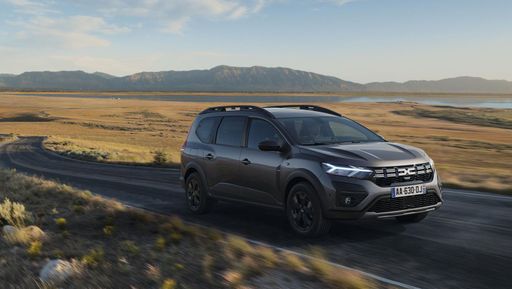
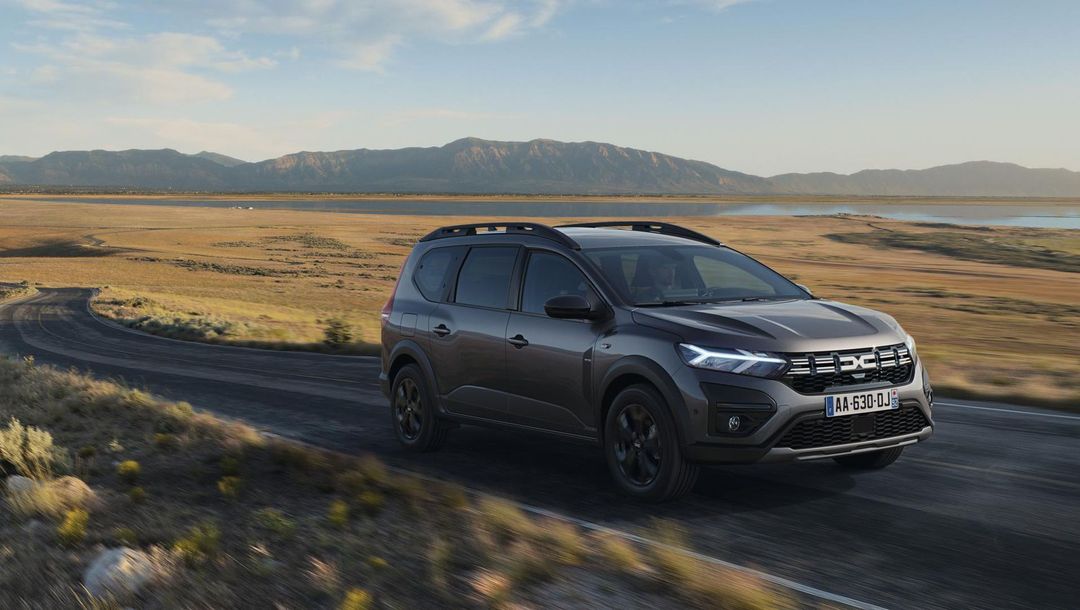
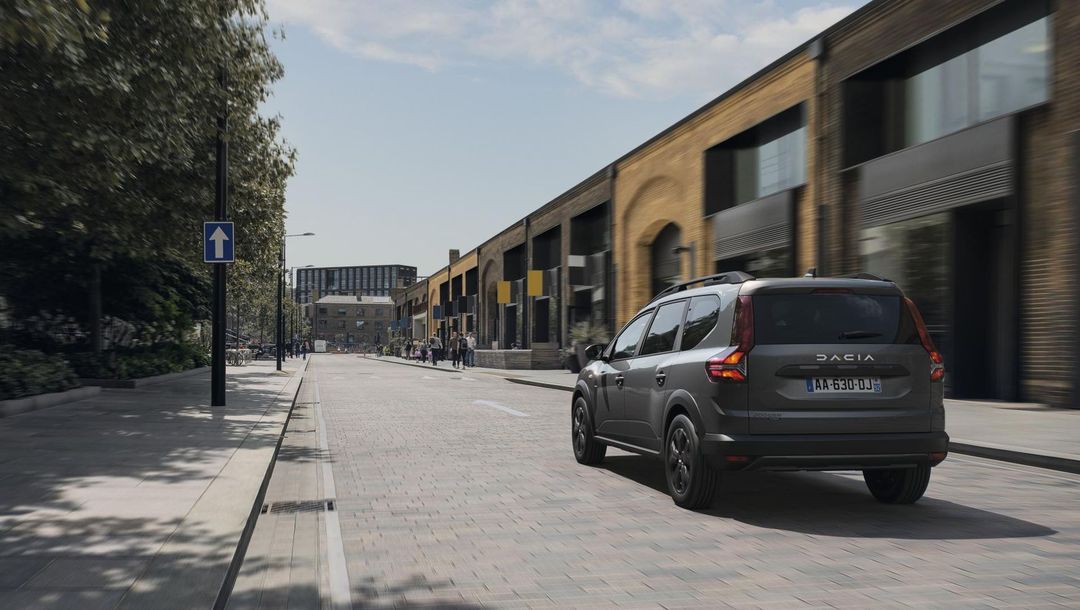
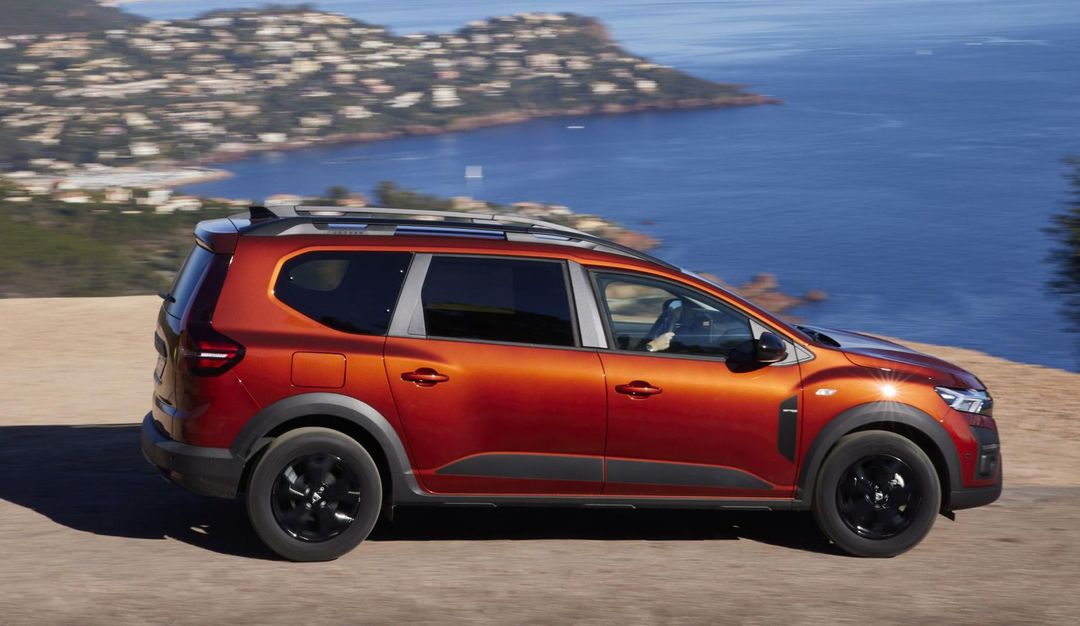
The Dacia Jogger looks like an estate that grew a roof box and a sense of duty, with a long, squared-off profile and generous glass area that telegraphs family utility rather than sporty flair. At 4,547 mm long it fills a niche between compact MPVs and small SUVs, offering practical proportions without trying to be pretty. Current powertrain choices include full-hybrid, petrol and ECO‑G LPG options in manual and automatic guises, so buyers can lean toward efficiency or low running costs rather than headline performance. Design cues are simple and honest: roof rails, practical bumpers and a no-nonsense stance that suits weekend kit and school runs more than red carpets.

Cabin feel: simple, durable and straight to the point

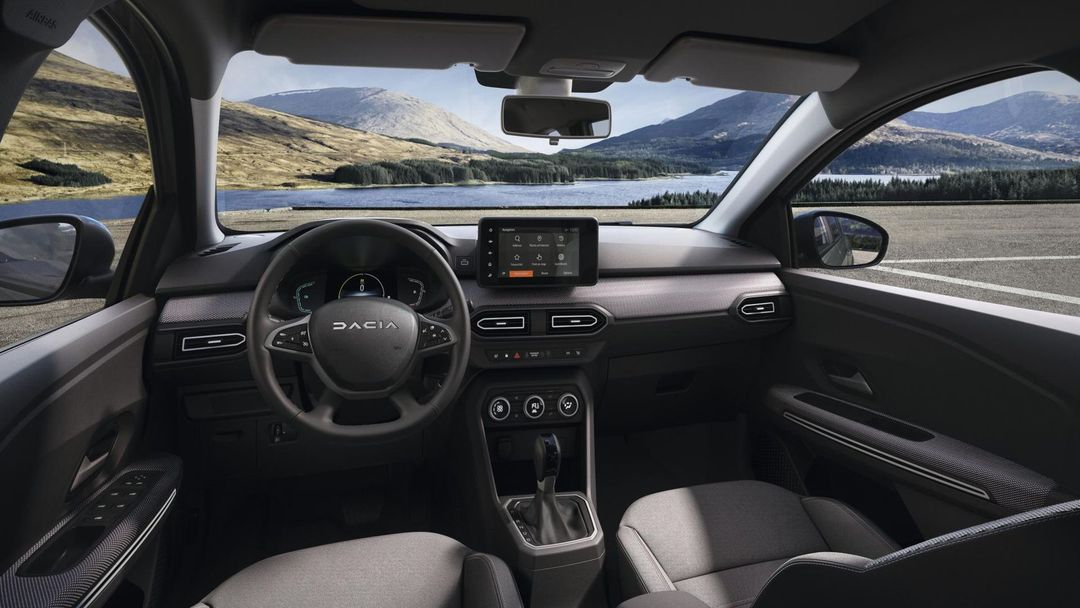
The interior is characteristically Dacia — deliberately basic but usefully arranged, with hard-wearing plastics and plenty of logical storage rather than soft-touch luxury. Controls are easy to read and reach, seats are supportive for long drives but lack high-end adjustability, and optional seven-seat layouts keep the instrument panel clutter-free. The hybrid system uses a small 0.6 kWh battery which is invisible inside the cabin but contributes to improved urban efficiency. Overall, the Jogger’s cabin trades premium finishes for practicality and low replacement cost, which will appeal to pragmatic buyers.

How it lives day-to-day: space that actually works

Space is the Jogger’s headline act: with either five- or seven-seat layouts there’s genuine versatility, and a boot of about 607 litres in five-seat form that swallows pushchairs, suitcases or weekly supermarket runs with ease. Fold the seats and the load bay opens up to a maximum of around 1,819 litres, turning the Jogger into a weekend mover for larger loads. The third row is best for children or short hops rather than full-time adult seating, while door apertures and roof height make loading and family life straightforward. Payload and simple, flat floors are tuned to practicality rather than plushness, so the Jogger is rewarding for families who need usable volume more than frills.

On the road: comfortable, predictable and unpretentious

Driving the Jogger feels like piloting a competent family wagon: suspension bias favors comfort and absorbs bumps with composure, while steering is light and easy for urban manoeuvres but offers limited feedback on twisty roads. Performance depends on the drivetrain — the full-hybrid 140 hp variant is the briskest and can do 0–100 km/h in the low tens (around 9.8–10.5 s depending on spec), while entry petrol and LPG variants sit further back in acceleration. High-speed refinement and top speeds around the 167–174 km/h bracket are adequate for motorway cruising, but the Jogger is happiest when driven with a relaxed right foot. Handling is safe rather than sporty, with controlled body roll and predictable responses that prioritize family confidence over corner carving.

Running costs: numbers that translate to everyday savings

Official consumption figures stretch from roughly 4.7 to 7.8 L/100 km depending on whether the car is a full hybrid, petrol or LPG model, so choices matter for real-world fuel bills. The hybrid variants show their strengths in town driving and can cut fuel use significantly compared with conventional petrols, while ECO‑G LPG versions usually cost less per kilometre if LPG infrastructure is available locally. Fuel tanks of around 50 or 40 litres mean practical ranges often north of several hundred kilometres between fill-ups, so long trips are feasible without constant stops. Overall, the Jogger is engineered to keep running costs down rather than chase performance figures.

Gadgets and safety: useful tech without the theatrics

Equipment focuses on essentials: a clear infotainment system with smartphone integration, straightforward climate controls and driver aids such as autonomous emergency braking and lane-keeping help available depending on trim. Higher trims add convenience features and smarter cruise control, but the Jogger lacks the layered, customizable software and premium digital displays seen in pricier rivals. Safety and assistance packages are sensible rather than flashy, delivering the kind of active safety that families actually use day-to-day. For buyers who want basic connectedness and modern safety without paying for superfluous extras, the Jogger ticks the main boxes.

Who should consider a Jogger?

The Dacia Jogger suits buyers prioritising space, low operating costs and rugged simplicity over prestige or plush interiors, particularly families needing a genuine seven-seat option and a big boot on a budget. It is a good match for suburban or rural households, holidaying families and people who value utility and low maintenance bills more than cutting-edge design. Competitors with fancier cabins or sharper dynamics may tempt some buyers, but for straightforward practicality and affordable motoring the Jogger remains hard to beat. In short, it is a pragmatic choice for anyone who wants honest space and economy rather than premium polish.

Náklady a spotřeba

Cena
455 500 - 693 500 Kč
Spotřeba l/100 km
4,5 - 7,6 L/100km
Spotřeba kWh/100 km
-
Elektrický dojezd
-
Kapacita baterie
-
co2
103 - 138 g/km
Objem nádrže
-

Rozměry a karoserie

Karoserie
MPV
Počet sedadel
5 - 7
Dveře
-
Pohotovostní hmotnost
1 268 - 1 463 kg
Objem kufru
160 - 607 L
Délka
-
Šířka
1 784 mm
Výška
-
Maximální objem kufru
-
Užitečné zatížení
384 - 559 kg

Motor a výkon

Typ motoru
Benzín, Plný hybrid, LPG
Převodovka
Manuel, Automatická
Detail převodovky
Manuální převodovka, Automatická převodovka, Automatická dvouspojková převodovka
Typ pohonu
Pohon předních kol
Výkon HP
110 - 158 HP
Zrychlení 0–100 km/h
8,9 - 12 s
Max. rychlost
-
Točivý moment
190 - 200 Nm
Počet válců
3 - 4
Výkon kW
81 - 116 kW
Objem motoru
999 - 1 789 cm3

Obecné

Modelový rok
2025
Třída účinnosti CO2
D, E, C
Značka
Dacia
Jaké možnosti pohonu nabízí Dacia Jogger?

K dispozici je Dacia Jogger s pohonem Pohon předních kol.

DriveDuel využívá analýzu dat a umělou inteligenci k vyhodnocování údajů o vozidlech a tvorbě obsahu. Obsah je pravidelně kontrolován a vylepšován. Zobrazené ceny jsou odhady založené na německých ceníkových cenách upravených podle DPH dané země. Specifické registrační daně jednotlivých zemí nejsou zahrnuty. Tyto informace nejsou právně závazné.