Renault Trafic Transporter Dodávka, cena od 1 125 300 Kč

The Renault Trafic is a practical, workhorse transporter that hides thoughtful cabin comfort behind a tough, utilitarian exterior, so you can tackle a busy week without sacrificing sanity. It’s a sensible choice for buyers who want reliability and clever flexibility rather than flash, with just enough character to make daily hauling feel less like a chore.

Hodnocení a komunita

Všechna skutečná hodnocení a zkušenosti s Renault Trafic Transporter na jednom místě.

Do komunity

Technické údaje, varianty a ceny

Přehled všech technických údajů, rozměrů a detailů výbavy tohoto modelu.

K technickým údajům

Alternativní modely aut

Objevte podobné modely a možné alternativy k tomuto vozidlu.

K alternativám

od 1 125 300 Kč
Trafic Transporter

Renault Trafic Transporter

  • Typ motoru : Elektro, Diesel
  • Převodovka : Automatická
  • Typ pohonu : Pohon předních kol
  • Výkon HP : 122 - 170 HP
  • Spotřeba l/100 km : 6,8 - 7 L/100km
  • Spotřeba kWh/100 km : 21,2 - 22,2 kWh/100km
  • Elektrický dojezd : 240 - 318 km

Street Stance and Practical Looks

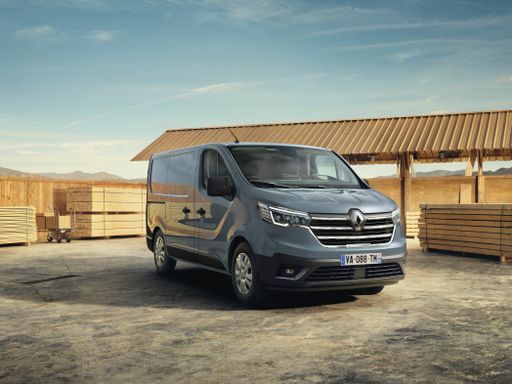
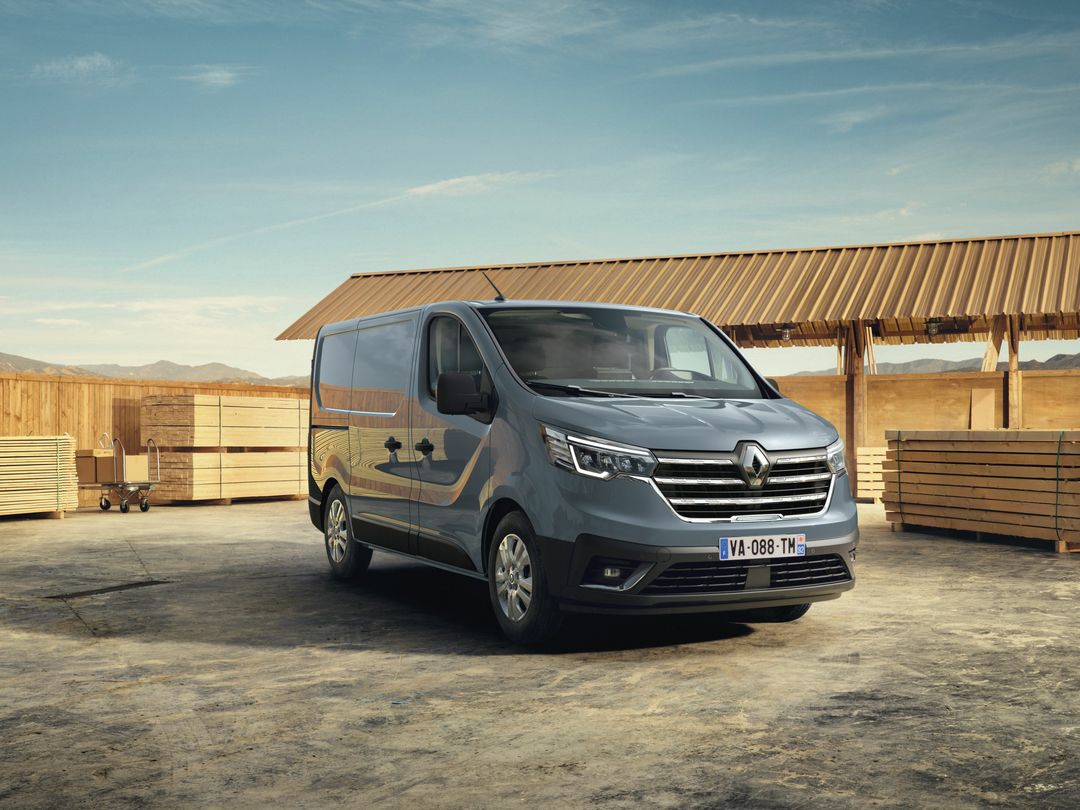
The Trafic Transporter wears its work-van role without apology: a bold front end, upright profile and a high, straight roof that prioritises load space over glamour. With lengths ranging roughly from 5.08 m to 5.48 m, a width near 1.96 m and roof heights that can push above 2.5 m on tall variants, it fills the road with a purposeful presence and a clear focus on usability. Sliding side doors and large rear doors are functional rather than stylish, making loading simple on tight sites or kerbside stops. The design is sensible — tidy enough for a city fleet but built to shrug off daily knocks and scratches.

Cabin That Works as Hard as the Driver

The interior puts durability and ergonomics first with tough plastics, large grab handles and a driver-focused instrument layout that keeps essentials within reach. Seating comes in practical formats for 3- or 6-seat crew-cab options, and the seats offer firm support for long days without unnecessary frills. Storage is clever rather than flashy, with deep door bins, overhead trays and a flat fold-down passenger seat that doubles as a clipboard or extra work surface. Overall the cabin feels utilitarian but well thought-through for the rhythms of contracting and delivery work.

Loadroom and Payload: How Much Can It Actually Carry?

The Trafic’s real selling point is usable space: depending on wheelbase and roof height it offers load volumes from mid-size van levels up to around 5.8–8.9 m³, and payloads approaching about 1,200 kg on heavier-spec models, so most trades and courier runs are well covered. Long-wheelbase and high-roof combinations make it possible to carry long panels or multiple stacked pallets, while a 80-litre fuel tank on diesel versions means fewer pit stops on long days. The load floor is low and the side/rear openings are wide, which reduces the physical effort of loading and speeds up turnaround on jobs. For mixed-use crews the available crew-cab versions add passenger flexibility without sacrificing too much cargo space.

What It’s Like to Drive When the Job Begins

The Trafic behaves like a modern front‑wheel‑drive van: predictable, composed and tuned for comfort rather than sportiness, with steering that is light at low speeds for city manoeuvres and stable on the motorway. Diesel options cover a useful spread from 110 to 170 hp so a 110 hp unit is fine for local deliveries while the 150–170 hp engines are recommended for heavy loads or steady highway driving, where acceleration and overtaking confidence matter. The E‑Tech electric version brings smooth, instant torque from its 122 hp electric motor and a quieter cabin, which is a big plus for urban runs or early starts. Expect typical 0–100 km/h figures to vary substantially by drivetrain and load; the van is tuned to pull at low revs rather than sprint.

Real-World Economy: Fuel, Batteries and Range

Diesel consumption is quoted in the mid-to-high single digits — roughly 6.6–7.8 L/100 km depending on engine and body spec — but real-world figures will climb when loaded, so plan on closer to 7–9 L/100 km under working conditions. Electric Trafic models list energy use around 21–22 kWh/100 km with WLTP ranges from about 240 to 318 km, making them strong candidates for urban or regional duties where overnight charging is possible. The diesel’s 80-litre tank still delivers very long range between fill-ups for cross-country jobs, while the electric’s range suits day-shift cycles and reduces noise and emissions for city fleets. Choice of powertrain should be driven by route profile: long-haul flexibility favors diesel, concentrated urban runs favor the E‑Tech electric.

Driver Aids and Infotainment That Keep Things Smooth

Safety and convenience features are aligned with modern fleet needs: driver assistance such as lane-keeping, emergency braking and adaptive cruise are typically available or optional to cut fatigue and reduce incident risk on repetitive routes. Infotainment units offer smartphone integration and touchscreen controls in higher trims, while simple, tactile switches remain standard where gloves and dirt are part of the job. Practical touches like rear-view cameras, parking sensors and a clear reversing image are worthwhile options on vans that spend time in tight yards or busy loading areas. The overall electronics package balances useful tech with the reliability expected from a daily workhorse.

Who Should Put This on the Shortlist?

The Trafic Transporter is aimed squarely at tradespeople, fleet buyers and businesses that need a flexible, easy-to-spec work van with a range of diesel and electric drivetrains. Companies that run urban deliveries or municipal services will appreciate the E‑Tech electric variants for quiet operation and zero tailpipe emissions, while construction, landscaping and long-distance fleets will likely prefer the higher‑power diesel options for payload and range. It’s a practical, no-nonsense tool for buyers who prioritise load space, payload and incremental running costs over premium cabin trappings. For anyone who needs a sensible, adaptable van that won’t complicate the working day, the Trafic remains a compelling proposition.

Náklady a spotřeba

Cena
1 125 300 - 1 283 500 Kč
Spotřeba l/100 km
6,8 - 7 L/100km
Spotřeba kWh/100 km
21,2 - 22,2 kWh/100km
Elektrický dojezd
240 - 318 km
Kapacita baterie
-
co2
0 - 184 g/km
Objem nádrže
-

Rozměry a karoserie

Karoserie
Dodávka
Počet sedadel
3 - 6
Dveře
-
Pohotovostní hmotnost
1 848 - 2 075 kg
Objem kufru
-
Délka
-
Šířka
1 956 mm
Výška
-
Maximální objem kufru
-
Užitečné zatížení
899 - 1 222 kg

Motor a výkon

Typ motoru
Elektro, Diesel
Převodovka
Automatická
Detail převodovky
Redukční převodovka, Automatická převodovka
Typ pohonu
Pohon předních kol
Výkon HP
122 - 170 HP
Zrychlení 0–100 km/h
10,8 - 13,6 s
Max. rychlost
-
Točivý moment
245 - 380 Nm
Počet válců
4
Výkon kW
90 - 125 kW
Objem motoru
1 997 cm3

Obecné

Modelový rok
2 023 - 2 025
Třída účinnosti CO2
A, G
Značka
Renault
Je Renault Trafic Transporter dostupný s různými pohony?

K dispozici je Renault Trafic Transporter s pohonem Pohon předních kol.

DriveDuel využívá analýzu dat a umělou inteligenci k vyhodnocování údajů o vozidlech a tvorbě obsahu. Obsah je pravidelně kontrolován a vylepšován. Zobrazené ceny jsou odhady založené na německých ceníkových cenách upravených podle DPH dané země. Specifické registrační daně jednotlivých zemí nejsou zahrnuty. Tyto informace nejsou právně závazné.