SsangYong Korando SUV, cena od 797 300 Kč

4.4 (1 Hodnocení)
ohodnotit

The SsangYong Korando pairs bold, modern styling with a surprisingly roomy and practical cabin, so it looks confident at the lights and handles the daily grind without fuss. It swaps flashy badges for honest value, offering a composed ride, useful equipment and wallet-friendly running that make it an appealing pick for buyers who'd rather spend on weekends than on extravagant finance packages.

Hodnocení a komunita

Všechna skutečná hodnocení a zkušenosti s SsangYong Korando na jednom místě.

Do komunity

Technické údaje, varianty a ceny

Přehled všech technických údajů, rozměrů a detailů výbavy tohoto modelu.

K technickým údajům

Alternativní modely aut

Objevte podobné modely a možné alternativy k tomuto vozidlu.

K alternativám

od 797 300 Kč
Korando

SsangYong Korando

  • Typ motoru : Benzín, Elektro
  • Převodovka : Manuel, Automatická
  • Typ pohonu : Pohon předních kol, Pohon všech kol
  • Výkon HP : 163 - 190 HP
  • Spotřeba l/100 km : 7,5 - 8,6 L/100km
  • Spotřeba kWh/100 km : 16,8 kWh/100km
  • Elektrický dojezd : 339 km

First Impression: Street Cred and Stance

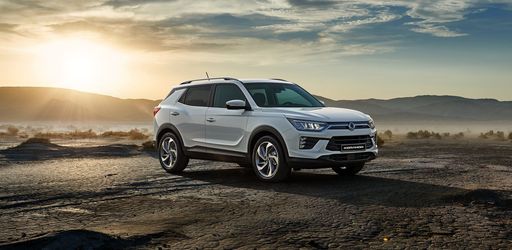
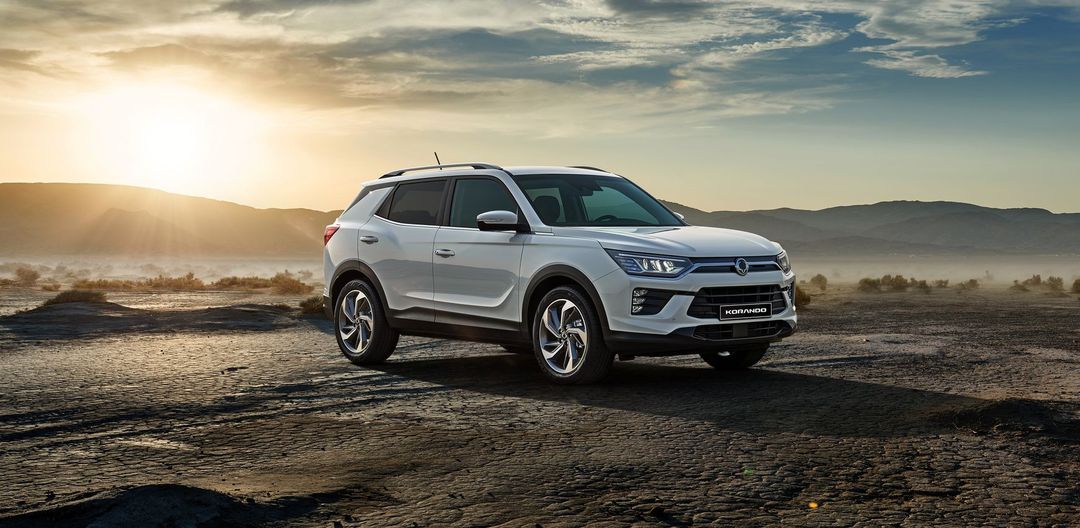
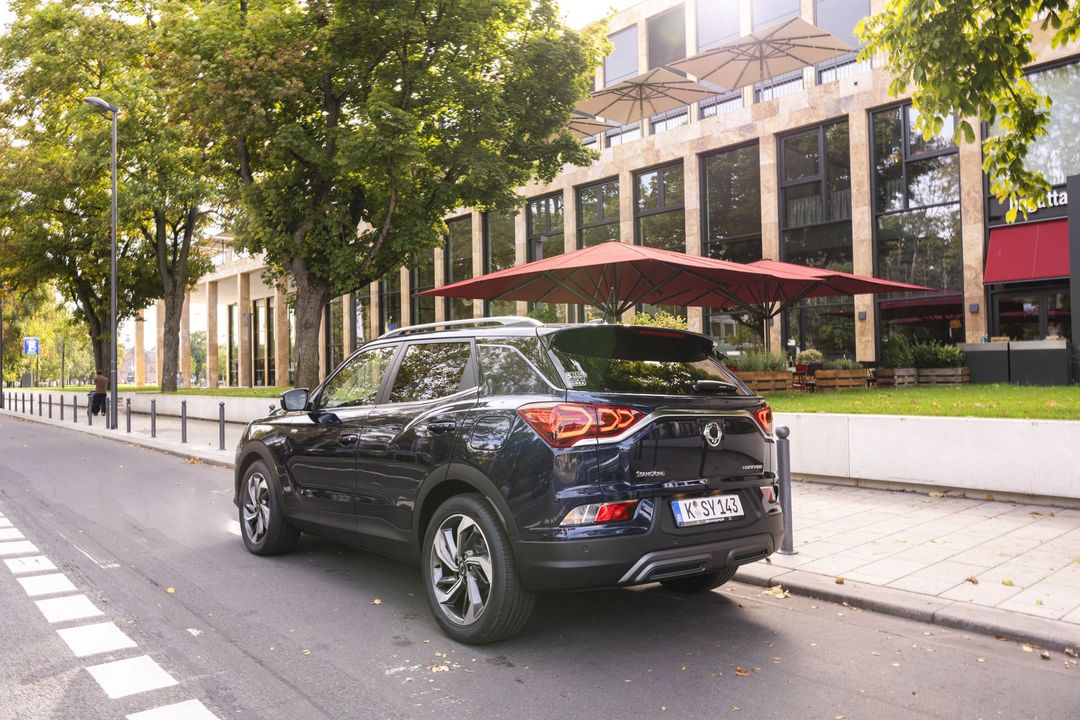
The Korando arrives with a modern, slightly angular silhouette that aims for contemporary SUV taste without being flashy, and the front end wears a confident grille and crisp light signatures. The proportions — about 4,450 mm long and 1,870 mm wide — give it a compact-but-solid road presence that suits suburban driveways and motorway lanes alike. Design details feel deliberate rather than fussy, which helps the Korando stand out against anonymous rivals while remaining conservative enough for long-term ownership. The overall look signals a practical family SUV rather than a pricey premium contender.

Cabin Feel: Materials and Controls

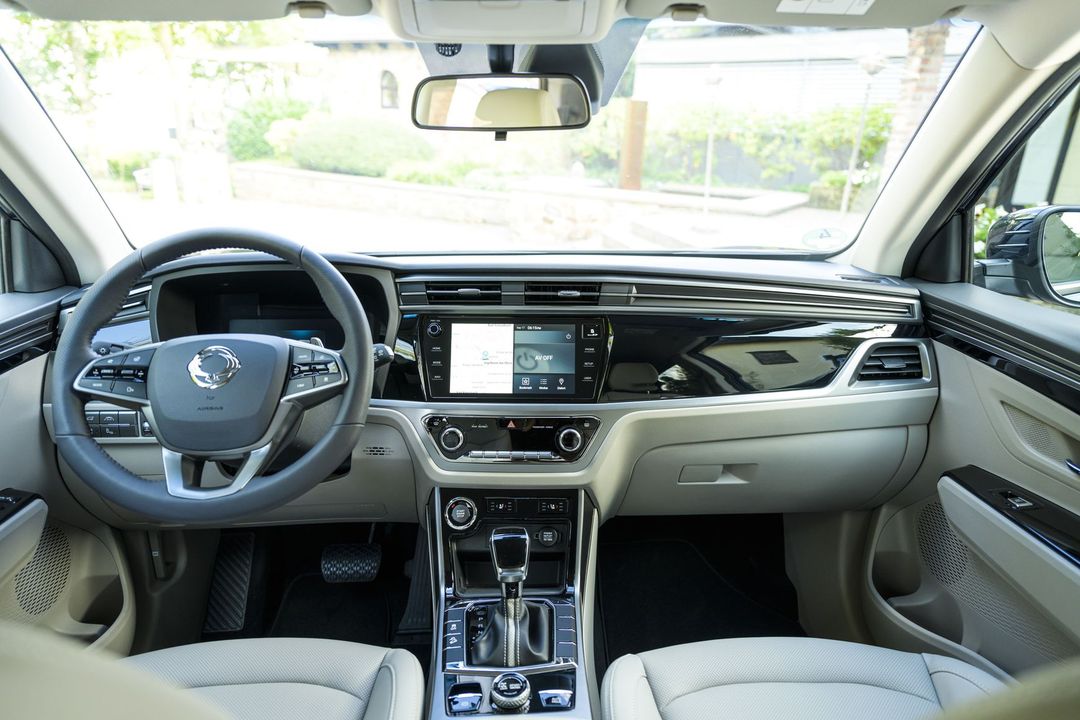
Inside, the Korando mixes some soft-touch surfaces with durable plastics in places that see daily wear, so the cabin feels sensible rather than luxurious. The layout keeps controls simple and logical, with a touchscreen and rotary knobs placed where drivers expect them, and the seating position offers good visibility for city parking and country routes. Build quality has improved from earlier SsangYong models, though rivals still edge ahead on plushness and premium finishes. Occasional cost-saving trim choices are visible, but ergonomics and switchgear work well for everyday life.

Room for Life: Seats and Boot

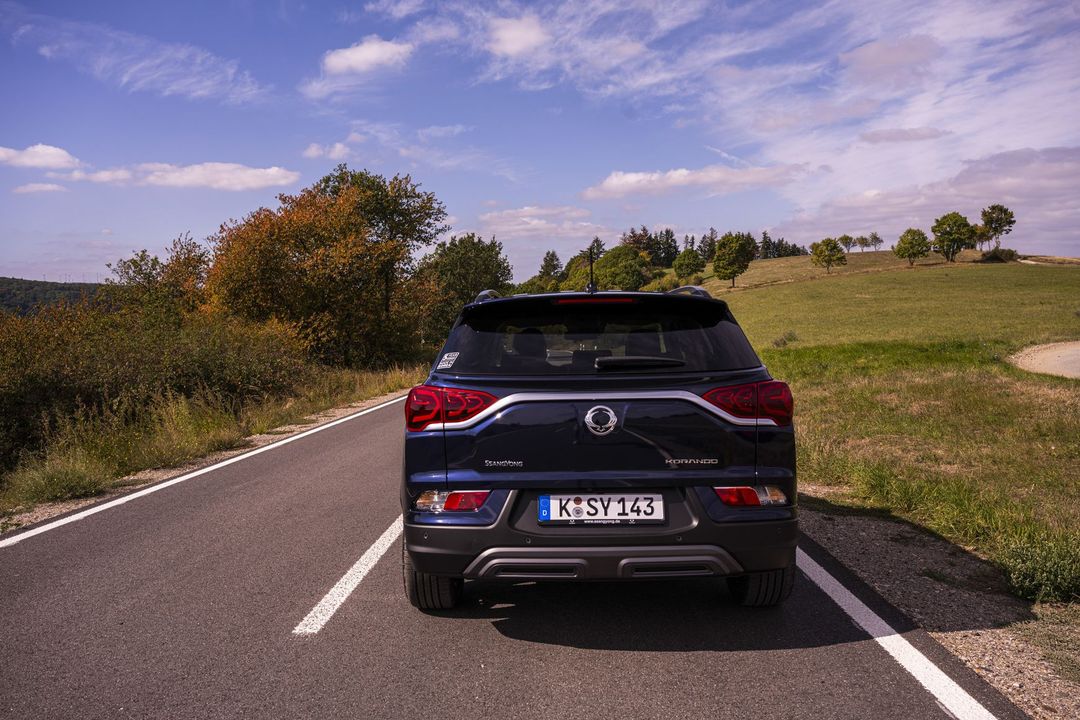
The Korando is a genuinely practical family car with seating for five and a boot of around 551 litres, expandable to 1,248 litres with the rear seats folded flat, which handles weekly shopping, prams or weekend bags with ease. Rear legroom is competitive for the segment and the bench is comfortable for school runs or motorway stints, while a 50-litre fuel tank reduces frequent fuel stops. Storage cubbies and sensible door bins add to daily usability, and the cabin’s layout keeps items within easy reach of driver and passengers. Height and width in the rear make it a friendly car for growing families rather than for those needing three-row seating.

On the Road: Handling and Ride

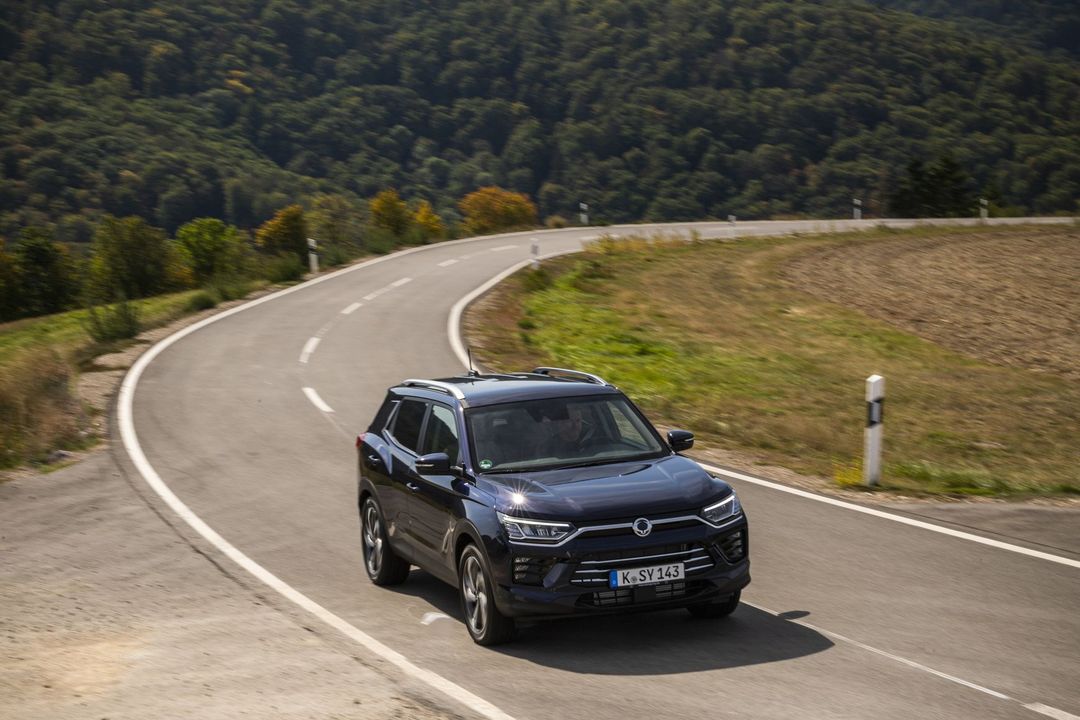
The Korando’s chassis prioritises comfort with compliant suspension that soaks up potholes and smooths motorway miles while remaining composed through bends, and a kerb weight in the range of roughly 1,500–1,840 kg gives it a planted feel. Steering is light and confidence-inducing at low speeds for city manoeuvres, though it becomes less communicative when pushed hard on twisty roads. Acceleration is adequate for most daily needs, with the line-up including a 0–100 km/h figure around 8.4 seconds in brisk configurations, which translates to effortless motorway overtakes. All-wheel-drive versions add traction for wet or winter conditions but bring a small penalty in fuel consumption and weight.

Running Costs: Fuel, Electric and Real Range

Petrol Korando 1.5 GDI-T variants produce about 163 hp with combined consumption reported between roughly 7.5–8.6 L/100 km depending on gearbox and drive layout, meaning a 50-litre tank generally yields around 580–670 km between fill-ups in mixed driving. The E-Motion electric version delivers about 190 hp and consumes in the region of 16.8 kWh/100 km with a stated range near 339 km, which is realistic for daily commutes and mid-length trips with occasional fast charging. Insurance, servicing and parts are positioned to be competitive versus mainstream rivals, but official CO2 ratings and real-world consumption will vary with driving style. Overall, the petrol models suit long-distance users seeking predictable refuelling, while the electric Korando targets urban and mixed-use buyers wanting lower running costs and instant torque.

Driver Aids & Screens: Tech that Helps

Technology fits the Korando’s practical brief with a usable infotainment touchscreen, smartphone integration, and a suite of driver aids including adaptive cruise control and lane-keeping assistance on higher trims. The software is straightforward rather than cutting-edge, prioritising ease of use over flashy animations, and camera and sensor layouts provide confidence when parking or commuting in traffic. Safety equipment levels are competitive for the segment and help the Korando score well on practicality rather than gadgetry. For buyers who want a predictable, well-equipped cabin without wrestling with overly complex menus, the Korando’s tech package is sensible.

Who is it for?

The Korando suits buyers seeking a sensible, well-priced compact SUV with genuine practicality: roomy boot space, comfortable rear seats and a choice of petrol or electric powertrains to match different lifestyles. Families who prioritise value, straightforward technology and a comfortable ride will appreciate its package, and those in climates that demand extra traction can opt for AWD without a major redesign. Buyers chasing premium-level finishes or the last word in handling sharpness should look elsewhere, but anyone after a functional, cleverly packaged small SUV will find the Korando a compelling, down-to-earth choice. Multiple petrol permutations and an E-Motion electric version are available to match priorities on economy, traction and emissions rather than forcing a one-size-fits-all decision.

Náklady a spotřeba

Cena
797 300 - 1 240 400 Kč
Spotřeba l/100 km
7,5 - 8,6 L/100km
Spotřeba kWh/100 km
16,8 kWh/100km
Elektrický dojezd
339 km
Kapacita baterie
-
co2
0 - 197 g/km
Objem nádrže
50 L

Rozměry a karoserie

Karoserie
SUV
Počet sedadel
5
Dveře
5
Pohotovostní hmotnost
1 517 - 1 840 kg
Objem kufru
551 L
Délka
4 450 - 4 465 mm
Šířka
1 870 mm
Výška
1 620 - 1 645 mm
Maximální objem kufru
1 248 L
Užitečné zatížení
410 - 463 kg

Motor a výkon

Typ motoru
Benzín, Elektro
Převodovka
Manuel, Automatická
Detail převodovky
Manuální převodovka, Automatická převodovka, Redukční převodovka
Typ pohonu
Pohon předních kol, Pohon všech kol
Výkon HP
163 - 190 HP
Zrychlení 0–100 km/h
8,4 s
Max. rychlost
156 - 191 km/h
Točivý moment
260 - 360 Nm
Počet válců
4
Výkon kW
120 - 140 kW
Objem motoru
1 497 cm3

Obecné

Modelový rok
2 021 - 2 023
Třída účinnosti CO2
F, G, A
Značka
SsangYong
Jaké možnosti pohonu nabízí SsangYong Korando?

SsangYong Korando je dostupný jako Pohon předních kol nebo Pohon všech kol.

DriveDuel využívá analýzu dat a umělou inteligenci k vyhodnocování údajů o vozidlech a tvorbě obsahu. Obsah je pravidelně kontrolován a vylepšován. Zobrazené ceny jsou odhady založené na německých ceníkových cenách upravených podle DPH dané země. Specifické registrační daně jednotlivých zemí nejsou zahrnuty. Tyto informace nejsou právně závazné.